End of Tenancy Cleaning: A Complete Approach to a Smooth Move-Out
Moving out of a rental property is often exciting, but it can also be stressful. Between packing boxes, arranging removals, and handing over keys, one task always stands out: end of tenancy cleaning. Whether you are a tenant hoping to secure your full deposit or a landlord preparing a property for new occupants, thorough end of tenancy cleaning is essential.
This type of cleaning goes far beyond everyday tidying. It focuses on restoring a rented property to a high standard so it looks fresh, sanitary, and ready for inspection. In many cases, the difference between a smooth handover and a deposit dispute comes down to how well the property has been cleaned. That is why understanding what is involved in end of tenancy cleaning can save time, reduce stress, and improve outcomes for everyone involved.
In this article, we will explore what end of tenancy cleaning includes, why it matters, how it supports tenants and landlords, and what areas of a property need special attention. You will also find practical advice, useful checklists, and tips for making the process more manageable. If you are planning to move soon, now is the perfect time to learn how to approach end of tenancy cleaning with confidence.
Why End of Tenancy Cleaning Matters

End of tenancy cleaning matters because a rented home must usually be returned in the same condition as it was at the start of the lease, allowing for fair wear and tear. For tenants, this cleaning is often linked directly to deposit returns. For landlords and letting agents, it helps keep the property appealing and reduces the turnaround time between occupancies.
A property that has been cleaned thoroughly is easier to inspect, photograph, and relist. It gives a strong first impression to prospective tenants and can even support a higher rental value. In contrast, a property left with grease in the kitchen, limescale in the bathroom, or dust on skirting boards may require extra work before it is ready for the next move-in.
End of tenancy cleaning is also important because it helps maintain hygiene. Dust, allergens, mould spots, and grime can accumulate in overlooked areas over time. By addressing these issues properly, the property becomes healthier and more comfortable for the next resident. That is why a detailed clean is not just cosmetic—it is practical and protective.
What End of Tenancy Cleaning Usually Includes
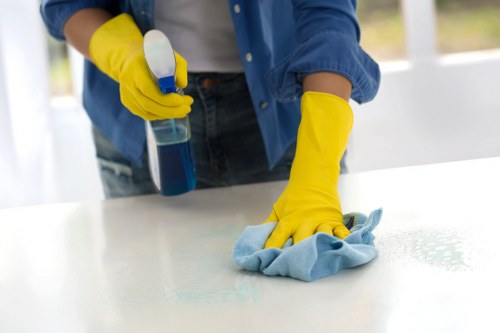
The scope of end of tenancy cleaning can vary depending on the property, the lease agreement, and the expectations of the landlord or agency. However, most professional cleaning plans cover all major rooms and surfaces. This typically includes cleaning kitchens, bathrooms, living rooms, bedrooms, hallways, and often additional spaces such as utility rooms, cupboards, and storage areas.
Key tasks often include:
- Dusting and wiping all reachable surfaces
- Vacuuming carpets and mopping hard floors
- Cleaning inside and outside of kitchen appliances
- Removing grease, grime, and food residue
- Descaling taps, sinks, showers, and tiles
- Cleaning windows, sills, and frames
- Removing cobwebs and built-up dust
- Cleaning skirting boards, doors, and handles
Professional end of tenancy cleaning often includes a detailed checklist so nothing is missed. This level of attention is especially helpful in furnished properties, where furniture, upholstery, and accessories may also need cleaning. The goal is to leave the property looking as close to move-in condition as possible.
It is worth noting that some agreements also require carpet shampooing, upholstery cleaning, or specialist treatment for ovens and appliances. Always check the tenancy terms carefully to know exactly what standard is expected.
Rooms That Need Special Attention

While every part of the property matters, some rooms demand more effort during end of tenancy cleaning. Kitchens and bathrooms are usually the most demanding because they collect grease, moisture, soap scum, and limescale. These rooms can quickly make a property look neglected if they are not cleaned properly.
In the kitchen, pay close attention to appliances such as the oven, hob, extractor fan, fridge, and microwave. Cupboards should be cleaned inside and out, especially if food has spilled or crumbs have gathered. Countertops, sinks, and splashbacks also need careful wiping to remove stains and residue.
Bathrooms require descaling, disinfection, and polishing. Showers, baths, toilets, basins, mirrors, and tiled areas should all be cleaned thoroughly. Mould around seals and grout should be treated as well. In living rooms and bedrooms, the emphasis is usually on dusting, vacuuming, wiping fixtures, and ensuring floors and windows are spotless.
Here is a simple room-by-room priority list:
- Kitchen: Appliances, cupboards, surfaces, sink, and floor
- Bathroom: Toilet, shower, bath, tiles, mirror, and fittings
- Bedrooms: Wardrobes, skirting boards, windows, and carpets
- Living areas: Shelves, switches, doors, floors, and upholstery
- Hallways: Handrails, mats, corners, and door frames
End of Tenancy Cleaning and Deposit Protection
One of the biggest reasons tenants invest in end of tenancy cleaning is to protect their deposit. Deposit deductions often happen when a property is not left in the agreed condition. Common reasons for deductions include dirty ovens, stained carpets, greasy kitchens, mould in bathrooms, and marks on walls or fixtures.
To reduce the risk of deductions, it helps to think like an inspector. Would the property pass a final check if the landlord or letting agent entered with a clipboard? If not, the problem areas need attention. Small details matter, including light switches, plug sockets, door handles, and behind furniture. Even if these areas are not always visible during daily living, they are often noticed during a move-out inspection.
End of tenancy cleaning can be one of the most effective ways to demonstrate that the property has been respected and maintained. When the property is cleaned to a high standard, it becomes easier to show that any signs of use are normal wear and tear rather than neglect.
To support a deposit claim, tenants should also keep records of cleaning receipts, photographs, and any communication related to the property’s condition. While this article does not include contact details or testimonials, it is always wise to document the work done before handing back the keys.
Should You Clean It Yourself or Hire Professionals?
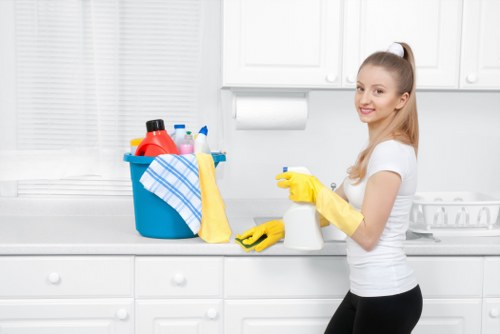
This is one of the most common questions people ask when planning end of tenancy cleaning. The answer depends on time, budget, property size, and the cleaning standard required. Some tenants prefer to do the work themselves, especially if the property is small and they already have the right equipment. Others choose professional cleaners for speed, convenience, and consistency.
Doing it yourself may work well if:
- The property is in good condition
- You have enough time before the move-out date
- You own or can borrow proper cleaning tools and products
- You are comfortable tackling detailed jobs like ovens and bathrooms
Hiring professionals may be better if:
- You are moving under time pressure
- The property is large or heavily used
- You want a higher chance of meeting inspection standards
- You need help with specialist tasks such as carpet or oven cleaning
End of tenancy cleaning often requires a level of detail that is difficult to achieve after a tiring move. For many people, outsourcing the task can reduce stress and make the departure much smoother. Still, even if you hire cleaners, it is useful to understand what should be included so you can confirm the service matches your needs.
How to Prepare for End of Tenancy Cleaning
Start Before Moving Day
The best end of tenancy cleaning results usually begin with good preparation. Leaving everything until the last minute can make the process rushed and less effective. Start by decluttering, packing non-essentials, and checking the tenancy agreement for any cleaning requirements. This gives you a clearer view of the property and makes cleaning much easier.
Before deep cleaning starts, remove all personal items, empty cupboards, and dispose of rubbish. A clutter-free space allows you to clean all surfaces properly, including areas that are often hidden. It also helps ensure that nothing important gets left behind.
A useful preparation checklist includes:
- Emptying all cupboards, drawers, and wardrobes
- Defrosting and unplugging the fridge or freezer if needed
- Removing wall hooks, temporary fixtures, and personal décor
- Checking for damage that may need reporting
- Gathering the right cleaning products and equipment
By preparing early, end of tenancy cleaning becomes more organized and less overwhelming. It also reduces the risk of missing key areas during the final clean.
Use a Room-by-Room Plan
A room-by-room approach helps keep the work manageable. Instead of trying to clean the entire property at once, focus on one area before moving to the next. This method is especially helpful for larger homes or shared properties. It also creates a sense of progress, which can be motivating during a busy move.
Common Mistakes to Avoid
Overlooking Hidden Areas
Many tenants make the mistake of focusing only on visible surfaces. However, end of tenancy cleaning is about detail. Hidden corners, tops of cabinets, behind radiators, and under appliances can all collect dust and grime. Ignoring these spaces can leave a poor impression during inspection.
Another common issue is using the wrong products. Harsh chemicals may damage surfaces, while weak products may not remove stubborn dirt. Always check the suitability of a product before using it on wood, tile, stainless steel, glass, or painted surfaces. When in doubt, test a small area first.
Other mistakes to avoid include:
- Leaving oven cleaning until the final hour
- Forgetting windows, frames, and sills
- Neglecting limescale in bathrooms
- Failing to vacuum under beds and furniture
- Rushing through final checks
Taking your time and following a structured plan can make a major difference. The purpose of end of tenancy cleaning is not simply to make the property look acceptable; it is to leave it inspection-ready.
What Makes a Professional Cleaning Service Effective?
Detail, Consistency, and the Right Tools
When people choose professional end of tenancy cleaning, they usually expect a high standard. Effective cleaners typically bring specialist products, microfiber cloths, scrubbers, steam tools, and vacuums designed to tackle difficult dirt. More importantly, they work from a checklist so every room is handled consistently.
Professional cleaners often know how to deal with stubborn areas like burnt-on oven residue, bathroom limescale, greasy extractor fans, and stained skirting boards. They also understand where landlords and agents often look during inspections, which means they can prioritise the right details.
Another benefit is time efficiency. Moving house is already demanding, and end of tenancy cleaning can take many hours if done properly. A team can complete the work faster while maintaining quality, allowing you to focus on the move itself.
When assessing whether a service is suitable, consider:
- Whether the service covers all required rooms
- If appliances and fixtures are included
- Whether carpets or upholstery are treated separately
- How the service handles stubborn stains or built-up grime
- Whether the work is tailored to rental inspection standards
Practical Tips for a Better Cleaning Result
Work from Top to Bottom
A smart end of tenancy cleaning strategy is to work from top to bottom. Dust and debris naturally fall downward, so cleaning high surfaces first prevents you from redoing lower areas. Start with shelves, light fixtures, and tops of cabinets, then move to counters, skirting boards, and floors.
Use microfiber cloths for better dust capture, and replace dirty water regularly when mopping. If you are cleaning windows, choose a streak-free product and wipe frames and sills at the same time. For bathrooms, allow cleaning agents time to work before scrubbing, especially on limescale or soap scum.
Here are a few additional tips:
- Open windows to improve ventilation during cleaning
- Use gloves to protect hands from chemicals
- Read labels before combining cleaning products
- Take photos after cleaning for your records
- Do a final walk-through under natural light if possible
These simple habits can improve the outcome of end of tenancy cleaning and make the property look brighter, fresher, and more presentable.
The Final Inspection Mindset
Think Like the Landlord or Agent
The last step in end of tenancy cleaning is adopting the final inspection mindset. Imagine you are seeing the property for the first time. Are the surfaces clean? Are the appliances free from residue? Are the bathroom fittings shiny and hygienic? Is there dust in corners or marks on walls?
This mindset helps you spot issues that may otherwise be missed. It is especially useful for touching up areas that are not part of a regular weekly clean, such as behind toilets, inside cupboards, and beneath furniture. If something looks dull or unfinished, it probably deserves another pass.
A final walk-through should cover:
- All floors, including edges and corners
- Windows, mirrors, and glass panels
- Kitchen appliances and cabinet interiors
- Bathroom fittings and seals
- Doors, handles, and switches
With a careful final check, end of tenancy cleaning becomes much more effective and reliable. It is often this final review that separates an average result from a strong one.
Why Timing Matters in End of Tenancy Cleaning
Plan the Clean Around Your Move
Timing is one of the most important factors in end of tenancy cleaning. If you clean too early, the property may become dusty again before inspection. If you leave it too late, you may be cleaning while moving boxes, disassembling furniture, or dealing with utility handovers. The ideal approach is to schedule the cleaning when most belongings have already been removed but before the final key handover.
This timing gives you access to all areas and avoids last-minute pressure. It also allows time for any missed spots to be corrected. For landlords, the timing of end of tenancy cleaning affects how quickly the property can be prepared for the next tenant, which is important for minimizing vacancy periods.
If a professional service is involved, booking early is wise. Moving periods can be busy, and availability may be limited. Early booking also gives you time to discuss the property condition, unique cleaning concerns, and any expectations linked to the tenancy agreement.
Keeping the Property in Good Condition Before You Move
Everyday Habits That Help Later
Good end of tenancy cleaning starts long before moving day. If you keep the property in decent condition during the tenancy, the final clean becomes much easier. Regular tidying, wiping spills quickly, and tackling limescale or grease early prevents buildup. This saves time and reduces the effort needed at the end.
Simple habits can make a real difference:
- Wipe kitchen surfaces after cooking
- Clean bathroom fixtures regularly
- Vacuum high-traffic areas each week
- Open windows to reduce moisture buildup
- Address small marks and stains as soon as they appear
By maintaining the property throughout the tenancy, end of tenancy cleaning becomes less of a burden. The final clean is still important, but it will be far less difficult if the home has been looked after consistently.
End of tenancy cleaning is ultimately about leaving a property in an orderly, presentable, and hygienic state. Whether you are a tenant, landlord, or letting agent, a well-cleaned property supports smoother handovers, stronger first impressions, and fewer disputes.
Ready to make your move easier?
Book your service now and take the stress out of the final clean. If you want a smoother inspection and a better chance of protecting your deposit, contact us today to arrange end of tenancy cleaning that fits your schedule and property needs.