Communal Area Cleaning: Creating Safer, Cleaner, and More Welcoming Shared Spaces
Why Communal Area Cleaning Matters
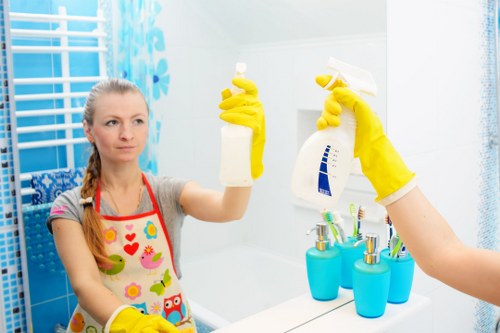
Communal area cleaning plays a vital role in the comfort, safety, and appearance of shared environments. Whether it is a residential building, apartment block, office complex, student accommodation, or mixed-use property, the condition of communal areas shapes the first impression people have of the entire space. Hallways, lobbies, stairwells, lifts, entranceways, and shared kitchens are used by many people every day, which means dirt, dust, and germs can build up quickly.
When communal area cleaning is carried out properly, it helps create a cleaner atmosphere, reduces the spread of bacteria, and supports a healthier environment for everyone. It also contributes to property value, tenant satisfaction, and the overall presentation of a building. Clean communal spaces are not just visually appealing; they are a practical necessity for modern properties.
In busy buildings, regular communal area cleaning is more than a cosmetic service. It is part of responsible property management. A well-maintained shared environment makes residents, visitors, staff, and customers feel comfortable and respected. That sense of care can make a real difference in how a property is perceived and used.
What Communal Area Cleaning Includes
Typical Shared Spaces That Need Attention
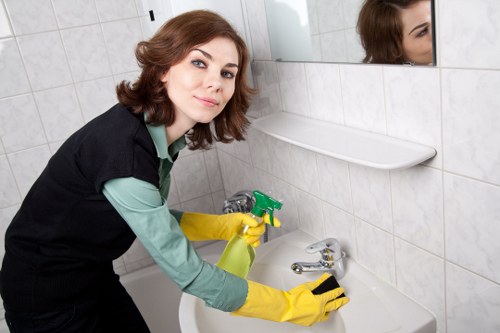
Communal area cleaning covers any space used by multiple people within a building. These spaces often experience heavy foot traffic and need a consistent cleaning routine to stay hygienic and presentable. Common areas usually include entrance halls, reception areas, corridors, staircases, lifts, landing spaces, bin stores, and shared amenities.
In residential settings, communal area cleaning may also include handrails, door handles, postboxes, light switches, skirting boards, and shared windows. In commercial properties, the service may extend to waiting areas, kitchenettes, washrooms, break rooms, and meeting spaces. The exact scope depends on the property type and the level of usage.
Because these areas are exposed to constant contact, effective communal area cleaning should focus on both visible cleanliness and hidden hygiene. Dusting, vacuuming, mopping, disinfecting touchpoints, and removing rubbish all contribute to a safer and more pleasant environment. Consistency matters just as much as technique.
Benefits of Regular Communal Area Cleaning
Health, Safety, and Presentation
One of the biggest benefits of communal area cleaning is improved hygiene. Shared spaces are touched by many people, so they can quickly become breeding grounds for germs if not properly maintained. Regular cleaning helps reduce the spread of dirt and bacteria on frequently used surfaces, especially during colder months or periods of higher illness transmission.
Another important benefit is safety. Spills, clutter, dust, and debris can create hazards in stairwells, corridors, and entrances. By keeping communal areas clean and tidy, the risk of slips, trips, and falls is reduced. This is particularly important in apartment buildings, care facilities, and office premises where people of different ages and mobility levels are moving through the space.
There is also a strong visual benefit. A fresh, clean communal area gives a building a polished and professional feel. For landlords, block managers, and property owners, this can improve tenant retention and enhance the reputation of the premises. Good communal area cleaning supports both function and appearance, which is why it is so valuable.
How Communal Area Cleaning Supports Property Value
A Small Detail That Makes a Big Difference
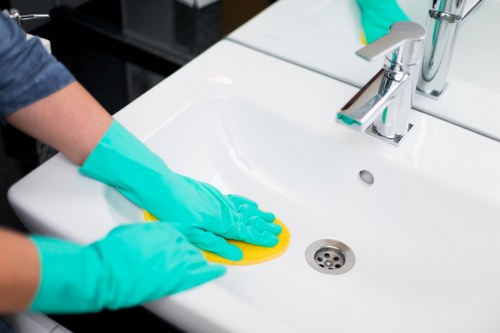
Property value is influenced by many factors, and cleanliness is one of the most visible. When prospective tenants, buyers, or clients walk into a building, they immediately notice the condition of the shared areas. Smudged glass, overflowing bins, dirty floors, and neglected corners can create the impression that the entire property is poorly managed.
On the other hand, consistent communal area cleaning signals care, order, and professionalism. Well-maintained shared spaces can make a property more attractive to potential occupants and may even help justify higher rental expectations in competitive markets. For residential blocks, this can improve resident satisfaction and reduce complaints.
In commercial environments, first impressions can influence business relationships and customer trust. A clean lobby or reception area tells visitors that the business values standards and attention to detail. That message often extends beyond cleanliness and reflects positively on the organization as a whole.
Key Tasks Involved in Communal Area Cleaning
Daily, Weekly, and Periodic Work
Effective communal area cleaning usually follows a structured schedule. Different tasks need to be completed at different frequencies depending on how often the area is used. Daily tasks often include sweeping or vacuuming floors, emptying bins, wiping high-touch points, and checking for visible dirt or spills. In busy buildings, these tasks may need to be done more than once a day.
Weekly tasks can include deeper cleaning of floors, polishing surfaces, dusting ledges and fixtures, cleaning glass doors, and disinfecting shared touchpoints. More periodic tasks may involve washing walls, cleaning ventilation grilles, treating carpets, or carrying out detailed sanitation in hard-to-reach areas. A reliable schedule helps ensure nothing is overlooked.
Typical communal area cleaning tasks may include:
- Vacuuming carpets and runners
- Mopping hard floors
- Cleaning entrance mats
- Wiping bannisters and handrails
- Disinfecting door handles and switches
- Removing cobwebs and dust from ceilings
- Cleaning mirrors and glass panels
- Emptying bins and replacing liners
Communal Area Cleaning for Residential Buildings
Keeping Tenants Comfortable
In residential buildings, communal area cleaning is essential for creating a pleasant living environment. Hallways, staircases, and lobbies are shared by everyone in the building, so they can quickly become untidy if not maintained properly. Residents often judge the quality of their home not only by the inside of their own flat but also by the condition of the shared areas they pass through daily.
Apartment blocks and housing developments benefit from cleaning routines that address traffic build-up, dust, litter, and marks on walls or floors. Regular attention to entry systems, lift interiors, notice boards, and mail areas keeps the building looking cared for. Residents are more likely to feel respected when communal spaces are consistently clean.
For property managers, a dependable cleaning routine can also reduce disputes and complaints. If bins are emptied regularly, flooring is maintained, and touchpoints are disinfected, the building feels orderly and safer. This creates a better experience for everyone and supports a more harmonious residential community.
Communal Area Cleaning in Commercial Properties
Professional Standards for Business Spaces
Commercial premises require communal area cleaning that supports productivity, professionalism, and workplace wellbeing. Offices, co-working spaces, retail units, and professional buildings all have common areas that receive heavy use. These spaces often include lobbies, corridors, washrooms, lifts, kitchens, and meeting areas.
In a commercial setting, cleanliness affects staff morale and visitor confidence. Employees are more likely to feel comfortable and focused in a clean environment, while clients and guests tend to form stronger impressions of companies that maintain good standards. Clean communal spaces also help create a healthier atmosphere, especially in shared office environments where many people use the same surfaces.
Businesses benefit from tailored cleaning plans that match their operating hours and traffic levels. Early morning, evening, or out-of-hours communal area cleaning can help avoid disruption while keeping the workplace presentable. That flexibility is often essential for busy commercial sites.
Choosing the Right Communal Area Cleaning Routine
Frequency, Scope, and Priorities
The right communal area cleaning routine depends on several factors, including building size, occupancy, traffic volume, and the type of surfaces involved. A small residential block may only need a few weekly visits, while a large office complex may require daily or even multiple daily cleans. The goal is to maintain a standard that matches the use of the space.
It is helpful to identify high-priority areas first. Entrance doors, lift buttons, stair rails, communal kitchens, and washroom touchpoints usually need the most frequent attention. Less-used spaces may need occasional deep cleaning rather than constant upkeep. A balanced routine ensures resources are used efficiently without sacrificing quality.
When creating a cleaning plan, consider:
- How many people use the shared space each day
- Which surfaces are touched most often
- Whether the area is carpeted or hard flooring
- How quickly litter or dirt builds up
- Any seasonal issues such as mud, rain, or salt
Professional Communal Area Cleaning vs. In-House Cleaning
Which Option Works Best?
Some buildings are cleaned by in-house staff, while others rely on professional communal area cleaning services. Each approach has advantages. In-house cleaning may provide familiarity and direct oversight, but it can also be limited by staff availability, training, and equipment. Professional cleaners often bring specialist methods, schedules, and products designed to deliver consistent results.
For many properties, outsourcing communal area cleaning offers better reliability and flexibility. A professional service can respond to changing needs, cover holiday periods, and maintain a high standard without burdening residents or employees. This can be especially helpful in larger properties or buildings with strict cleanliness expectations.
That said, the best choice depends on budget, property size, and required service levels. Some organizations use a hybrid approach, with daily basic cleaning handled internally and deeper communal area cleaning carried out by specialists. The key is consistency, whichever model is chosen.
Health and Hygiene Considerations
Reducing Germs in Shared Spaces
Shared spaces can quickly become unhygienic if cleaning is delayed or performed superficially. High-touch points such as door handles, elevator buttons, rails, and switches can collect bacteria and viruses throughout the day. Communal area cleaning should therefore include regular disinfection of these surfaces to help reduce the spread of illness.
During seasonal outbreaks or periods of heightened concern, cleaning protocols may need to become more frequent and more focused. Using suitable cleaning products, following correct dwell times, and avoiding cross-contamination are all important parts of an effective hygiene strategy. Cleaners should also pay attention to washrooms, kitchen areas, and waste disposal points.
Good hygiene is not only about appearance; it is about protecting the wellbeing of the people who rely on the building every day. When communal area cleaning is approached with hygiene in mind, the result is a healthier and more reassuring environment for everyone.
Seasonal Challenges in Communal Area Cleaning
Adapting to Weather and Usage Changes
Communal area cleaning needs often change throughout the year. In autumn and winter, wet shoes, mud, leaves, and road salt can quickly affect entrance areas and corridors. In spring and summer, dust, pollen, and increased foot traffic may become the bigger concerns. Each season creates unique cleaning demands that should be built into the schedule.
During rainy months, entrance mats and hard floors may need more frequent attention to prevent slips and staining. In warmer periods, windows, ventilation points, and lighter surfaces may require regular dusting to keep the space fresh. Communal areas near gardens, car parks, or external entrances may need even more care because they are exposed to outside debris.
Planning for seasonal variation is a smart way to maintain standards year-round. It helps avoid reactive cleaning and keeps communal spaces looking polished regardless of weather conditions. Adaptable communal area cleaning is more effective than a one-size-fits-all approach.
Best Practices for High-Quality Communal Area Cleaning
What Makes the Difference
High-quality communal area cleaning depends on attention to detail, proper equipment, and a clear understanding of the property’s needs. Cleaners should follow a defined checklist so that all essential tasks are completed consistently. This prevents important areas from being neglected and helps maintain a steady standard over time.
Using the right tools is equally important. Microfiber cloths, appropriate detergents, vacuum cleaners with effective filtration, and safe disinfectants all contribute to better results. Cleaners should work from top to bottom and from cleaner areas to dirtier areas to avoid spreading debris around.
Strong communication with property managers is another best practice. If damage, repeated mess, or maintenance issues are noticed, they should be reported quickly. A cleaning team that communicates well can help prevent small issues from becoming bigger problems. That kind of responsiveness supports long-term property care.
How to Improve Communal Areas Beyond Cleaning
Small Changes That Support a Cleaner Building
Although communal area cleaning is essential, other measures can help keep shared spaces cleaner for longer. For example, well-placed mats at entrances can reduce the amount of dirt brought inside. Clear signage about recycling, waste disposal, and shared responsibilities can also encourage better building habits.
Good lighting, functional bins, and regular maintenance all contribute to a more orderly environment. If residents or employees have easy access to waste containers and notice that repairs are handled promptly, they are more likely to treat the space with care. Small improvements like these can reduce the workload on cleaners and improve the overall atmosphere.
Some practical ways to support cleanliness include:
- Installing durable entrance mats
- Ensuring bins are emptied on schedule
- Repairing leaks and damage quickly
- Maintaining clear walkways and corridors
- Encouraging respectful use of shared spaces
Why Businesses and Property Managers Should Invest in Communal Area Cleaning
A Long-Term Value Decision
Investing in communal area cleaning is not just about today’s appearance. It is a long-term decision that supports reputation, resident satisfaction, health, and building longevity. Dirt and neglect can damage flooring, walls, and fixtures over time, leading to higher repair costs and more frequent replacements. Regular cleaning helps protect those surfaces and extends their usable life.
For businesses, the investment can also support employee wellbeing and customer confidence. Clean shared spaces contribute to a more pleasant daily experience and can improve the way a company is perceived. In residential settings, dependable communal area cleaning can help build trust between residents, landlords, and managing agents.
When shared spaces are cared for properly, everyone benefits. That is why consistent communal area cleaning should be treated as an essential part of building management rather than an optional extra. It is a practical service with visible and lasting results.
Common Problems That Communal Area Cleaning Solves
From Litter to Lingering Odours
Shared spaces often develop recurring issues that can only be properly controlled through regular cleaning. Litter accumulation, unpleasant smells, fingerprints on glass, muddy footprints, and dust build-up are all common in high-traffic buildings. If left unattended, these problems can create a negative atmosphere and make the property feel neglected.
Communal area cleaning also helps with less visible issues, such as hidden dust in corners or bacteria on shared touchpoints. By keeping to a planned routine, cleaners can prevent build-up before it becomes noticeable. This keeps the area fresher, safer, and more inviting for everyone who uses it.
Where communal areas are used by multiple age groups and different types of visitors, cleanliness becomes even more important. A tidy building helps reduce complaints and supports a smoother daily experience. Clean shared spaces send a message of care and reliability.
Final Thoughts on Communal Area Cleaning
Clean Shared Spaces Create Better Living and Working Environments
Communal area cleaning is an essential service for any property with shared access and regular foot traffic. It improves hygiene, enhances safety, supports property value, and creates a more pleasant environment for residents, employees, and visitors. From residential blocks to commercial buildings, the benefits are clear and lasting.
With the right routine, proper equipment, and attention to detail, communal area cleaning can transform the feel of a property. Clean floors, fresh entrances, disinfected touchpoints, and tidy common areas help people feel comfortable and cared for. That makes a real difference in day-to-day life and in the long-term reputation of the building.
If you want to improve your property’s appearance and standards, now is the right time to act. Contact us today to discuss a reliable communal area cleaning plan, or book your service now to keep your shared spaces looking their best all year round.