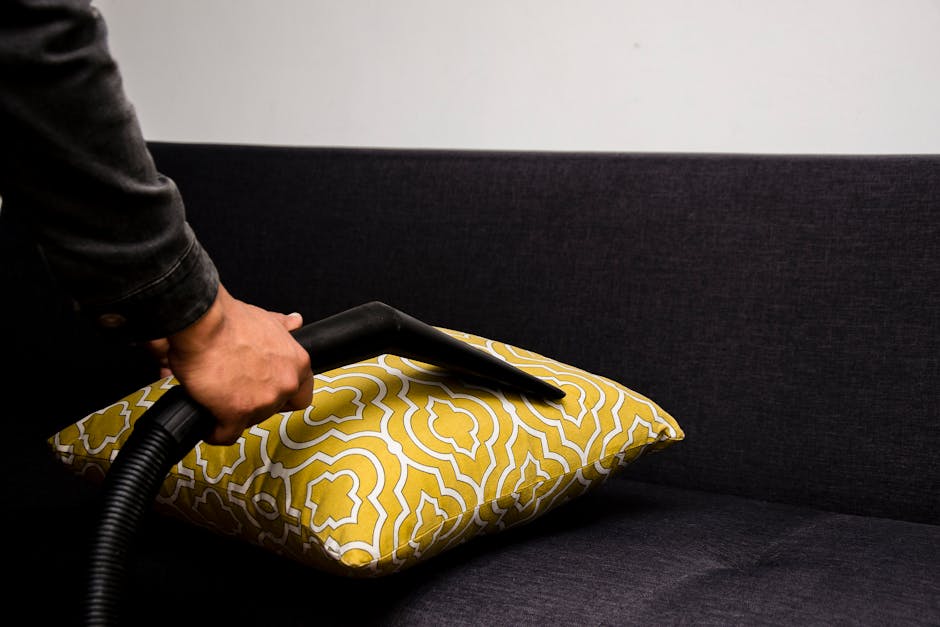
East Croydon station upholstery cleaning experts
If you spend any time around East Croydon station, you already know the pace: commuters brushing past, coffees balanced in one hand, the occasional wet umbrella, and upholstery that quietly takes a beating. That is where East Croydon station upholstery cleaning experts come in. Whether you are dealing with a well-used sofa, office seating, reception chairs, or fabric furnishings in a shared space, the right cleaning approach can make a real difference to appearance, hygiene, and how long the furniture lasts.
This guide explains what upholstery cleaning involves, why it matters in a busy local setting, how professional cleaning usually works, and how to choose the right service without overcomplicating it. We will also cover common mistakes, practical expectations, and the sort of details that matter when you are deciding who to trust with your furniture. Truth be told, upholstery often gets ignored until a stain turns up at the worst possible moment. Let's not do that here.
Contents
- Why East Croydon station upholstery cleaning experts Matters
- How East Croydon station upholstery cleaning experts Works
- Key Benefits and Practical Advantages
- Who This Is For and When It Makes Sense
- Step-by-Step Guidance
- Expert Tips for Better Results
- Common Mistakes to Avoid
- Tools, Resources and Recommendations
- Law, Compliance, Standards, or Best Practice
- Options, Methods, or Comparison Table
- Case Study or Real-World Example
- Practical Checklist
- Conclusion
- Frequently Asked Questions
Why East Croydon station upholstery cleaning experts Matters
Upholstery cleaning near a transport hub is not just about keeping things looking nice. East Croydon station brings a steady flow of foot traffic, and that usually means more dust, more moisture, more accidental spills, and more general wear on soft furnishings. A chair that looks "a bit tired" can quickly become one that feels neglected, and in commercial or communal settings that can affect first impressions in a very real way.
For homes close to the station, the same logic applies. Upholstered furniture absorbs everyday life: food crumbs, pet hair, body oils, and the occasional muddy mark from a quick dash inside after rain. It all builds up gradually. You may not notice it week to week, but one good deep clean can make the difference between "we should probably replace this" and "actually, this still has years left in it."
There is also a hygiene angle. Soft furnishings can hold onto odours and fine dust, especially in busy rooms where windows are not open much during winter. A professional clean is not magic, but it does remove a surprising amount of residue that regular vacuuming simply leaves behind. And yes, that slightly stale smell some rooms develop? Often it is the upholstery, not the room itself. A bit annoying, but fixable.
Expert summary: Good upholstery cleaning is part appearance care, part fabric care, and part hygiene management. In high-traffic areas around East Croydon station, those three things tend to overlap.
If you manage a business, let the front-of-house seating do its job properly. If you are a homeowner, keep the sofa from becoming the unofficial landing zone for every spill in the flat. It is one of those jobs that quietly pays off.
How East Croydon station upholstery cleaning experts Works
Professional upholstery cleaning is usually a process of inspection, testing, controlled cleaning, and drying. The exact method depends on the fabric type, the construction of the furniture, and the level of soiling. The best cleaners do not rush straight in with one machine and hope for the best. They identify what they are working with first.
Typically, the process starts with a fabric check. Some materials can handle hot-water extraction; others need low-moisture or dry cleaning methods. If a label is present, it helps, but it is not always the whole story. Experienced cleaners will also look at seams, backing, cushions, and any previous spot treatments. That extra minute matters.
Then comes pre-treatment. This is where targeted solutions are applied to break down grease, drink marks, or general dirt. After that, the chosen cleaning method is used. For many fabrics, a controlled extraction method is common because it flushes soils out of the fibres rather than just moving them around. On more delicate pieces, a gentler system may be better.
Drying is the part people underestimate. A chair that is technically clean but left damp can feel awkward to use and may develop a musty smell if air circulation is poor. Good practice is to improve ventilation, use fans if needed, and avoid over-wetting the fabric in the first place. To be fair, it is the bit that separates a careful job from a messy one.
If you are also looking after other surfaces in the property, it can make sense to combine upholstery care with carpet cleaning or a broader deep cleaning service, especially when the space has been heavily used. That is often more efficient than booking piecemeal visits.
Key Benefits and Practical Advantages
There are several reasons people choose professional upholstery cleaning rather than waiting until furniture looks beyond help. Some are obvious, some are less visible but just as useful.
- Better appearance: Fabrics often look brighter and more even after a proper clean, especially around armrests and headrest areas.
- Improved freshness: Odours from food, smoke, pets, or general daily use can be reduced significantly.
- Fabric care: Regular cleaning can help reduce long-term wear from embedded grit and dirt.
- More comfortable seating: Clean upholstery simply feels nicer. Small thing, big difference.
- Professional presentation: Useful in offices, waiting areas, short-let properties, and shared homes.
- Better value from existing furniture: Replacing a sofa or chair is expensive; maintaining it usually is not.
For businesses and landlords near East Croydon station, presentation matters because your furniture is part of the customer experience. A worn-looking chair in a reception area can say more than a sign ever will. In domestic settings, the advantage is more personal: you enjoy the space more, and the room feels cared for again.
There is also a practical benefit that people forget. Cleaning can reveal hidden issues, such as early fabric splitting, cushion collapse, or stains that need a specialist stain-removal approach. Catching those early can save time and money later. Not glamorous, but useful.
Who This Is For and When It Makes Sense
Upholstery cleaning is not just for households with obvious spills. In and around East Croydon station, it makes sense for a wide range of people and settings.
- Homeowners and tenants: If your sofa, dining chairs, or armchairs look dull, feel sticky, or smell less than fresh.
- Landlords and letting agents: Helpful before new tenants move in, especially where soft furnishings are part of the property setup.
- Offices and coworking spaces: Waiting-area chairs and meeting-room upholstery pick up a lot more dirt than people think.
- Hospitality and short-let hosts: A guest notices a stained sofa in about two seconds. Maybe less.
- Shared buildings and communal areas: Seating in entrances or lounge areas needs regular attention to stay presentable.
It also makes sense after particular events: a spill-heavy gathering, a smoky winter period with windows closed, a pet accident, or a move-in when the previous occupants left the furniture looking a bit past its best. If you are already arranging move-in cleaning or move-out cleaning, adding upholstery care can be a sensible extra step.
Ask yourself: is the furniture actually dirty, or has it simply accumulated enough background grime that it now reads as old? That distinction matters, because the right clean often restores more than you expect.
Step-by-Step Guidance
If you want to understand what a proper upholstery clean should look like, this simple step-by-step outline helps.
- Inspect the furniture carefully. Look for fibre type, obvious stains, wear points, and any labels or care notes.
- Test before cleaning. A small hidden patch should be checked first, especially on delicate or colour-sensitive fabrics.
- Vacuum thoroughly. Dry debris, hair, and dust should be removed before any liquid treatment is used.
- Apply targeted pre-treatment. This helps lift grease, drink marks, and body oils more effectively.
- Choose the right cleaning method. Hot-water extraction, low-moisture cleaning, or specialist spot treatment may all be suitable depending on the fabric.
- Rinse or extract properly. The goal is to remove soils and cleaning residues without soaking the filling.
- Speed up drying. Good airflow, open windows where practical, and sensible moisture control all help.
- Final check. The cleaner should inspect the result, noting any stubborn stains that may need a second pass or may be permanent.
If this sounds methodical, that is because it is. Good upholstery care is not about scrubbing harder. It is about understanding the fabric and treating it well. Bit boring on paper, very satisfying in practice.
Expert Tips for Better Results
A few small habits can make upholstery cleaning more effective and less stressful.
- Act quickly on spills. Blot, do not rub. Rubbing drives the spill deeper into the fabric.
- Vacuum weekly where possible. This reduces grit build-up and helps the fabric stay fresher for longer.
- Rotate cushions. It sounds simple, but it helps wear settle more evenly.
- Be cautious with store-bought stain removers. Some are too aggressive and can leave a ring or damage colour.
- Open windows if you can. Airflow matters more than people realise, especially after wet cleaning.
- Tell the cleaner about previous treatments. If something has already been sprayed, steamed, or scrubbed, they need to know.
One practical tip that often gets missed: if you have a sofa near a radiator or in direct sunlight, the fabric can age unevenly. Cleaning helps, yes, but placement and daily use patterns matter too. Move a cushion or two, and you may notice the difference in a couple of months.
For larger properties or busy workspaces, combining upholstery care with office cleaning or commercial cleaning can keep the whole environment feeling more consistent. That is often what people actually want: not one clean chair, but a space that feels looked after.
Common Mistakes to Avoid
Most upholstery damage from cleaning comes from either too much moisture, the wrong product, or impatience. A few things go wrong often enough that they are worth saying plainly.
- Using too much water: Over-wetting can push dirt deeper, slow drying, and cause musty smells.
- Scrubbing hard: This can distort fibres and make stains spread wider.
- Skipping a test patch: Especially risky on coloured fabrics, blends, and older upholstery.
- Ignoring the padding: Surface looks fine, but the filling underneath stays damp. That is a problem later.
- Trying every product at once: Mixing solutions is rarely clever. Usually, it just creates extra work.
- Expecting every stain to disappear: Some marks are permanent or have chemically altered the fabric.
A slightly annoying truth: the older the stain, the harder it usually is to shift. Coffee from last Tuesday is one thing. Coffee from last summer is another story entirely. If a cleaner is honest about that, it is a good sign.
You also want to avoid choosing a provider purely because they promise the fastest turnaround. Speed is great when done properly, but rushed upholstery work can leave the furniture damp, patchy, or worse than before. Nobody wants that.
Tools, Resources and Recommendations
Professional upholstery cleaners may use a range of tools depending on the job. The names can sound technical, but the basics are simple enough.
| Tool or Method | What it does | Best for |
|---|---|---|
| Commercial vacuuming | Removes dust, hair, crumbs, and loose grit before wet cleaning | Most upholstery types |
| Spot treatment | Targets specific stains before the main clean | Drink spills, food marks, localised grime |
| Hot-water extraction | Uses water and suction to lift embedded soil from fabric | Durable fabrics and heavily used furniture |
| Low-moisture cleaning | Uses less water for quicker drying and gentler treatment | Sensitive fabrics and time-critical spaces |
| Microfibre cloths and detailing tools | Helps with edges, seams, and small residues | Final finishing and delicate areas |
When choosing a service, it is sensible to ask what method they expect to use and whether it suits your fabric. A good cleaner should be comfortable explaining that in plain English. If the answer sounds vague or overly salesy, that is your cue to slow down a bit.
You may also want to check whether the company provides clear information on pricing and quotes, as well as practical details on insurance and safety. Those pages can help you understand how they handle risk, access, and expectations before anything is booked.
If sustainability matters to you, ask about cleaning choices and waste handling too. Some customers prefer providers who think about water use, product use, and disposal carefully. It is a fair question, and a sensible one.
Law, Compliance, Standards, or Best Practice
For upholstery cleaning, the main thing is not a single dramatic legal rule. It is a bundle of sensible UK best practices around health and safety, safe chemical use, insurance, and good working methods. In practical terms, that means cleaners should avoid unsafe products, use equipment properly, and protect both the property and the people in it.
In commercial settings, it is also good practice to think about access, trip hazards, ventilation, and any sensitivities around allergy sufferers or occupants with asthma. A cleaner working in an office or shared building should be careful with cords, damp areas, and any restrictions around occupied spaces. That part is common sense, but it still needs saying.
From a customer point of view, it is wise to choose a provider that is transparent about its policies and procedures. Pages such as health and safety policy, terms and conditions, and privacy policy help show that the business takes its responsibilities seriously. You do not need to read every line with a highlighter, but you should know they exist.
If you are booking cleaning for a managed property or commercial environment, ask whether the team can work around building rules and access requirements. The best results are not just clean results; they are clean results without disruption.
Options, Methods, or Comparison Table
Not every piece of upholstery needs the same treatment. Here is a simple comparison to help you think through the options.
| Method | Pros | Limitations | Typical use case |
|---|---|---|---|
| Hot-water extraction | Deep soil removal, strong for general grime | Longer drying time if overused | Sturdy sofas, chairs, office seating |
| Low-moisture cleaning | Quicker turnaround, gentler on sensitive fabrics | May be less aggressive on deep-set staining | Delicate furniture, busy properties |
| Dry or near-dry methods | Minimal downtime, useful for certain materials | Not suitable for all stain types | Fragile textiles, time-sensitive spaces |
| Targeted stain treatment | Focused and efficient for isolated spots | Not a full-clean solution on its own | Drink marks, food spills, small accidents |
If you are comparing providers, do not just ask, "Can you clean it?" Ask, "What method would you use on this fabric, and why?" That one question often tells you more than a whole website does. It is a bit of a filter, really.
Case Study or Real-World Example
Here is a realistic scenario. A small office near East Croydon station has a reception sofa and a handful of fabric meeting chairs. Over time, the armrests darken, the seating starts to look flat, and the room feels less welcoming even though it is still tidy. Nothing dramatic. Just that slow, dull build-up you stop noticing until a visitor sits down.
The team books upholstery cleaning alongside a wider one-off cleaning visit. The cleaner inspects the fabric, pre-treats the arms and headrests, and uses a low-moisture approach to reduce downtime. By the next morning, the furniture looks fresher, the room smells cleaner, and the office manager is not apologising for the sofa anymore. Small win, but a real one.
That kind of outcome is common. You usually do not get a "brand new" transformation unless the fabric was only lightly soiled. But you do often get a clear, visible improvement that makes the furniture feel worth keeping again. And sometimes, that is enough.
If the property is used for guests or residents, pairing upholstery care with airbnb cleaning or house cleaning can create a more consistent standard across the whole space. After all, a clean sofa in a dusty room still feels a bit unfinished.
Practical Checklist
Before you book, use this quick checklist to avoid avoidable headaches.
- Check what type of upholstery fabric you have, if known.
- Look for care labels or previous cleaning notes.
- Identify the main issue: stain, smell, dullness, wear, or general dirt.
- Ask which cleaning method is most suitable.
- Confirm expected drying time and access requirements.
- Make sure the cleaner understands any delicate or antique pieces.
- Ask about insurance and how accidental damage is handled.
- Clarify whether the job is a one-off clean or part of regular maintenance.
- Move small items, cushions, and clutter out of the way before the visit.
- Plan for ventilation after the clean, especially in cooler months.
A quick prep like this can save time on the day and help the cleaner work more effectively. Nothing fancy. Just sensible, adult-life stuff, which is often the best kind.
Get a free quote today and see how much you can save.
Conclusion
Choosing East Croydon station upholstery cleaning experts is really about protecting the furniture you already own while making your home or business feel fresher, cleaner, and more presentable. Around a busy station area, upholstery gets more use than people realise, so regular care is not a luxury. It is maintenance, plain and simple.
The most reliable results come from careful inspection, the right method for the fabric, sensible drying, and honest advice about what can and cannot be removed. If a provider explains those things clearly, that is usually a good sign. If not, keep looking.
Whether you are dealing with a stained sofa, tired office seating, or just that odd stale smell that will not go away, a professional clean can make a space feel lighter again. And that feeling matters more than people think. Sometimes a room just needs a proper reset.
When your furniture looks cared for, the whole place feels calmer. That is the real value here.
Frequently Asked Questions
What do East Croydon station upholstery cleaning experts actually clean?
They clean fabric furniture such as sofas, armchairs, dining chairs, office seating, benches, and other upholstered items. The exact approach depends on the material and how heavily it has been used.
How often should upholstery be professionally cleaned?
It depends on usage. In a busy home or commercial space, once or twice a year is often sensible. Light-use furniture may need less frequent care, while high-traffic seating may need more regular attention.
Can all stains be removed from upholstery?
No, not always. Some stains have permanently altered the fabric, the colour, or the fibres. A good cleaner will tell you honestly what is likely to improve and what may remain visible.
How long does upholstery take to dry?
Drying time varies by fabric, cleaning method, room temperature, and ventilation. Some pieces are ready relatively quickly, while others need several hours. Good airflow makes a noticeable difference.
Is upholstery cleaning safe for pets and children?
It can be, provided suitable products and methods are used and the furniture is left to dry properly before use. If you have concerns, mention them at the start so the cleaner can choose the right approach.
What should I do before the cleaner arrives?
Clear the area around the furniture, remove loose items, and point out any stains or damage you are worried about. If cushions are removable, have them ready. A little prep goes a long way.
Do I need upholstery cleaning if my sofa only looks a bit dull?
Yes, possibly. Upholstery often fades into a dull, tired look because fine dust and body oils build up over time. A clean can restore brightness even when there is no obvious stain.
What is the difference between upholstery cleaning and sofa cleaning?
Sofa cleaning is a type of upholstery cleaning. Upholstery is the broader term and includes sofas, chairs, headboards, and other fabric-covered furniture.
Can upholstery cleaning help with smells?
Yes, often it can. Odours from food, pets, smoke, and general use can cling to fabric. Cleaning removes much of the residue that causes the smell in the first place, though some sources may need separate attention.
Is it better to clean upholstery myself or hire experts?
Light vacuuming and small spill care are fine for day-to-day maintenance. For deeper cleaning, stubborn stains, or delicate fabrics, professional help is usually the safer option. Less guesswork, less risk.
How do I know if a cleaner is trustworthy?
Look for clear explanations, sensible questions about fabric type, transparent pricing, and evidence that they take safety and insurance seriously. If they rush the conversation, that is not a great sign.
Can upholstery cleaning be combined with other services?
Yes. It is often sensible to combine it with services like carpet cleaning, sofa cleaning, or deep cleaning when you want the whole property refreshed at once.
What is the best next step if I need help near East Croydon station?
The best next step is to describe the furniture, the fabric if you know it, the main issue, and your timing needs. That gives a cleaner enough detail to recommend the right method and avoid surprises on the day.